Last updated November 2, 2026
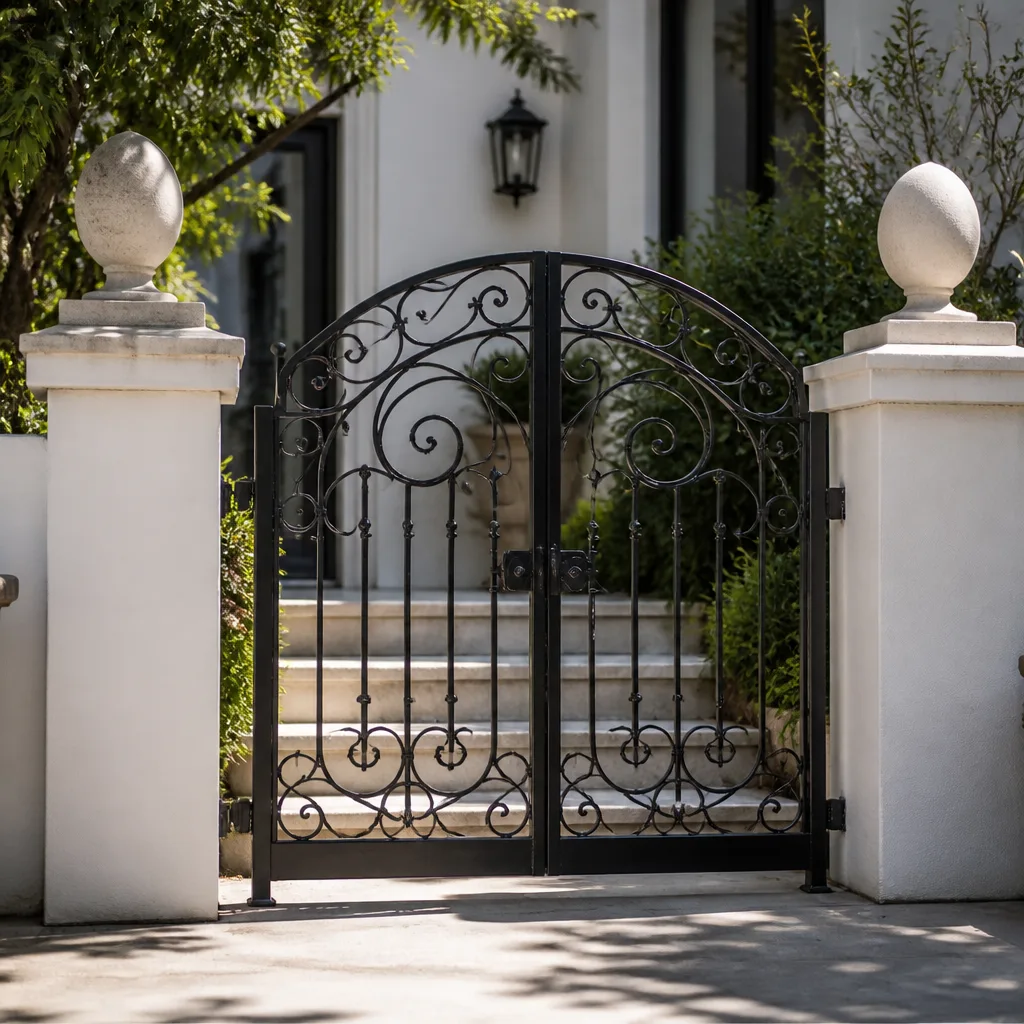 Wrought iron
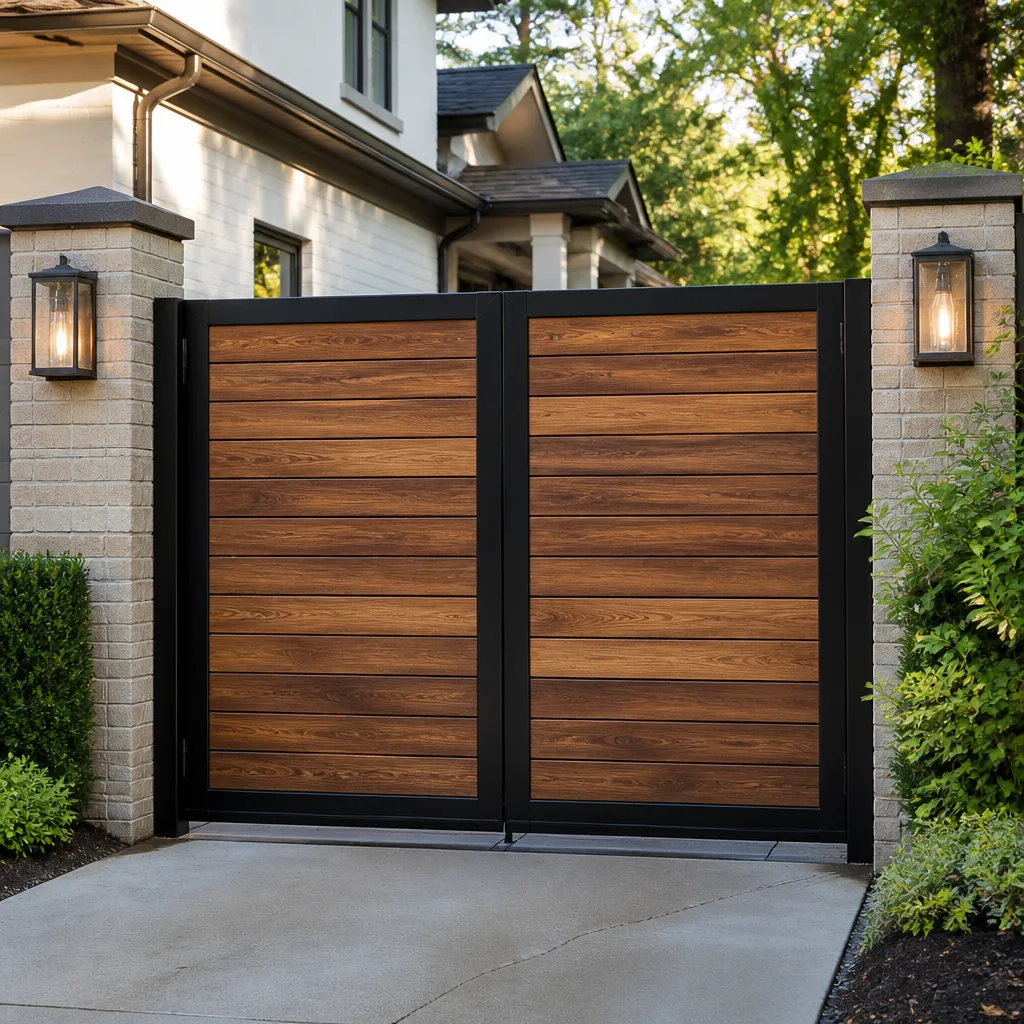 Wood & steel frame
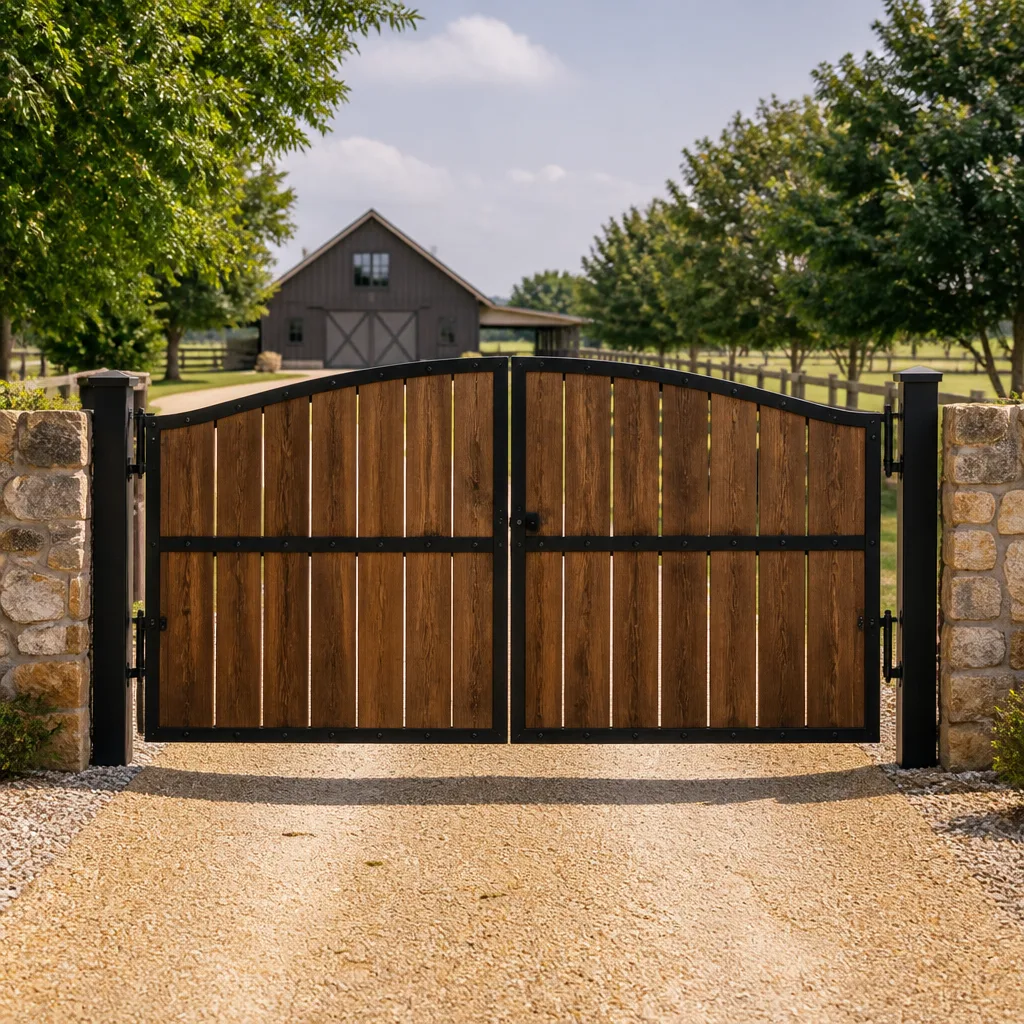 Farm & ranch
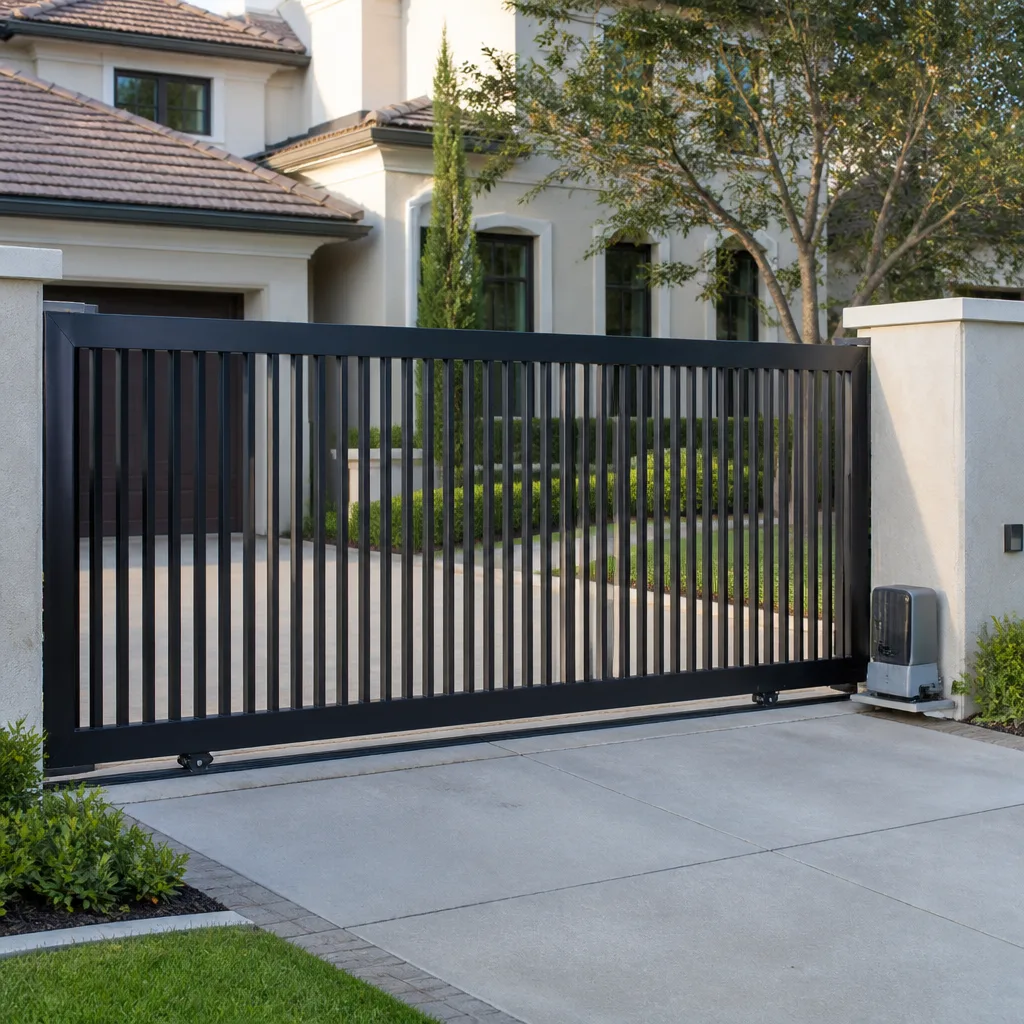 Sliding driveway gates
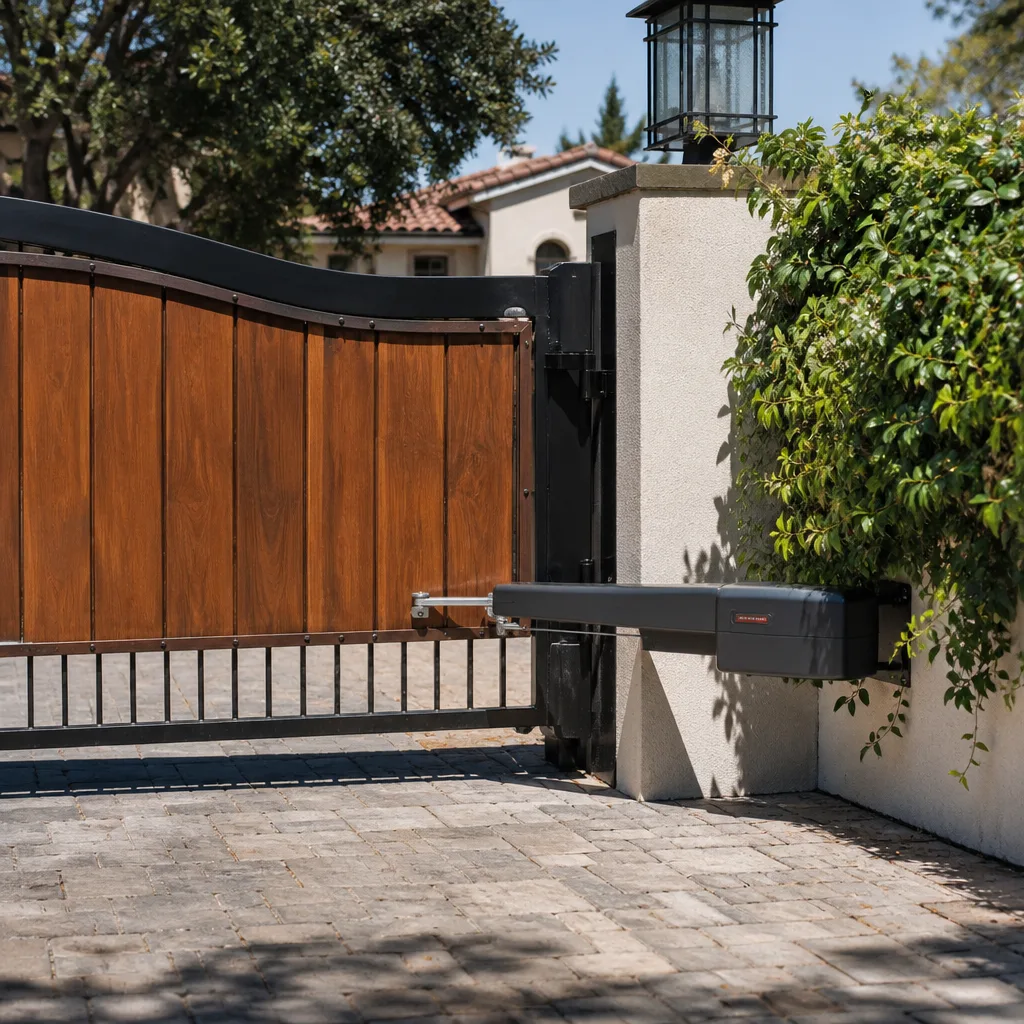 LiftMaster operators
Free on-site gate assessment - hinges, posts, and your LiftMaster or Nice gate operator checked before anything is quoted
The assessment is free and the quote is the invoice.
Get your free estimateSeasonal Gate Repair Care for Menifee: Year-Round Homeowner’s Guide
Most seasonal maintenance guides would have you believe Menifee moves through four predictable seasons. It doesn’t. What we see across hundreds of gate systems in this valley is a three-season stress cycle: brutal heat season, Santa Ana wind season, and a short wet season that creates rust on hardware that spent eight months bone-dry. A gate that survives July in Menifee can fail in December for reasons that started accumulating in June. This guide rebuilds the maintenance calendar around what actually happens to gate hardware in the Inland Empire, so you can schedule the right work at the right time, not waste effort on a generic spring checklist that was written for Ohio. For more detail, see The Complete Gate Repair Guide for Menifee Homeowners.
Styles & brands we work with
- Wrought iron
- Wood & steel frame
- Farm & ranch
- Sliding driveway gates
- LiftMaster operators
Quick Answer
Seasonal gate care in Menifee means three targeted protocols, not a single yearly tune-up. Before summer, you need to verify operator thermal protection and control board ventilation before 100°F days hit. During Santa Ana season, clear debris from track systems and recalibrate limit switches after wind-driven gate movement. In the brief wet season, inspect hardware for corrosion that formed only after heat-stressed metal met its first moisture. Most Menifee gate failures we see are seasonal, predictable, and preventable with the right timing.
Table of Contents
- Why Menifee’s Climate Is Harder on Gates Than Coastal California
- Pre-Summer Protocol (May): Heat, UV, and Thermal Protection
- Santa Ana Season Protocol (September – November): Wind, Debris, and Limit Switches
- Wet Season Protocol (December – February): Corrosion and Battery Backup
- Why Temperature Swings Make Swing Gates Drift Out of Plumb
- The One Annual Task: Loop Detector Sensitivity Recalibration
- Brand-Specific Seasonal Notes: DoorKing, LiftMaster, Elite, Mighty Mule
- Common Mistakes to Avoid
- When to Call a Professional
- Frequently Asked Questions
- The Bottom Line
Why Menifee’s Climate Is Harder on Gates Than Coastal California
Menifee sits in a thermal belt that produces summer temperature swings most gate hardware was never designed for. A July day can hit 104°F and drop to 58°F that same night, a 46-degree swing that forces every metal joint, seal, and solder connection to expand and contract in ways coastal hardware simply doesn’t experience. Coastal cities like Carlsbad or San Clemente might see a 15-degree daily swing. Menifee triples that.
That temperature differential matters because gate hardware is manufactured to tolerances, and thermal cycling works those tolerances loose over time. Hinge pins wear their bushings oval. Weld points on steel frames develop micro-fractures that widen each season. Rubber seals on operator housings lose their memory and start letting dust in, which is the first step toward control board failure. When we do electric gate repair in Menifee, thermal cycling damage is the most common root cause we document, more than motor burnout or gear failure.
Add to that the UV index: Menifee receives some of the highest cumulative UV exposure in Riverside County. UV degrades the plastic housings, wire insulation, and photo-eye lenses that gate systems depend on. A LiftMaster operator housing that would look nearly new after five years in a garage in Temecula can look chalky and brittle after three years on a Menifee driveway. If you’re in one of the newer developments in Audie Murphy Ranch or the older ranchette lots east of the 215, the exposure level matters even more because there’s less shading from mature trees.
- 40+ degree daily temperature swings in summer, forcing thermal cycling on every mechanical joint
- High cumulative UV exposure degrading plastics, wire insulation, and photo-eye lenses
- Santa Ana winds carrying abrasive particulate into track systems, rollers, and chain drives
- Bone-dry conditions for 8+ months followed by sudden moisture, triggering rapid corrosion on heat-stressed hardware
- Dust ingress from decomposed granite and dry soil around Menifee’s newer developments
One more factor that most guides miss: Menifee’s soil. The decomposed granite common across the valley produces fine dust that gets into everything. In a wet climate, dust becomes mud and stays put. In Menifee, dust stays airborne and works its way into operator gearboxes, chain drives, and control board enclosures. We find control boards caked with a fine layer of granite dust that acts as an insulator, trapping heat inside the enclosure. That’s the quiet killer: a control board that overheats not because the outside temperature is high, but because dust has compromised the board’s ability to cool itself.
This is why our Gate Repair in Menifee approach always starts with the climate context of the specific property. A gate facing southwest onto a slope in Menifee gets different treatment than one facing northeast in a shaded lot. The location changes what fails and when.
Pre-Summer Protocol (May): Heat, UV, and Thermal Protection
The single most important gate maintenance task in Menifee is pre-summer preparation, before the first June heat wave. Once ambient temperatures cross 100°F, operators that haven’t been inspected start failing in the field, and those failures always seem to happen at 2:00 PM on a Saturday. The goal of pre-summer protocol is to catch heat-related failures before they strand you outside an open gate.
Step-by-Step: May Pre-Summer Inspection
- Verify operator thermal protection engages. Many operators have built-in thermal overload protection that shuts the motor down if it overheats. Test it by cycling the gate 10 times in a row on a warm day and feeling the operator housing. Warm is normal. Too hot to touch means the thermal protection is waiting to trip. A unit that trips repeatedly in May will leave you locked out in August.
- Check control board enclosure ventilation. Open the enclosure (power off first, or call a professional if you’re not comfortable with electrical access) and look for dust accumulation. If you can see a layer of dust on the board, the heat has nowhere to go. Blow it out with compressed air and add a desiccant pack if moisture has been present.
- Inspect UV-exposed wiring. Look at any wire that runs along the outside of the gate frame or along the fence line. UV in Menifee will crack PVC wire insulation within three to five years. Cracked insulation plus the first rain of December equals a short circuit. Wrap exposed sections in UV-rated conduit or replace the wire entirely.
- Test the manual release mechanism. If power fails during a heat wave, you need to be able to open the gate by hand. The manual release is the small handle or lever on the operator. Work it once and verify the gate moves freely through its full travel. If it binds, address it now, because August is the wrong time to discover a seized release.
- Lubricate hinges and rollers with a lightweight, non-attracting lubricant. In Menifee’s dry climate, heavy grease is a mistake because it collects dust and becomes a grinding paste. A light lithium spray or dry graphite works better here than anything designed for humid climates.
We advise scheduling this work in April or early May, before the temperatures arrive, rather than waiting until the first triple-digit day. The pricing for this kind of preventive inspection at Gate Repair Menifee home is always quoted and agreed before any work starts, so there’s no surprise invoice after the fact.
Santa Ana Season Protocol (September – November): Wind, Debris, and Limit Switches
Santa Ana winds in Menifee create a maintenance window that most homeowners miss. A 40 mph gust pushes a sliding gate laterally against its track, and that force gets absorbed by the limit switches that tell the operator where the gate should stop. After a single windy season, those limit switches can be off by a quarter-inch or more, which is enough to make the gate reverse itself, stop short, or bind against the end post.
The other issue is debris. Menifee’s Santa Ana winds pick up leaves, tumbleweeds, and the loose decomposed granite common around local developments, and deposit it directly into V-tracks, cantilever rollers, and chain drives. A V-track filled with grit creates rolling resistance that the operator has to fight through, which means the motor draws more amperage, which means it runs hotter, which means it fails sooner. Debris in a cantilever roller system does the same thing, and with the added problem that the rollers can develop flat spots if they bind against debris long enough.
Santa Ana Season Checklist
- Clear all V-tracks and roller channels with a stiff brush and compressed air, then inspect for pitting or corrosion where sand has been grinding against metal
- Remove the operator cover and check for wind-driven dust that has migrated into the gear housing
- Recalibrate limit switches after any wind event strong enough to physically move the gate when it was closed
- Check chain or belt tension after hot-to-cool weather transitions, which cause metal link plates to contract and tighten
- Verify photo-eye alignment, because wind-driven gate frame movement can knock the beams out of alignment by a few millimeters
- Inspect gate hinges and pivot points for lateral play introduced by wind loading
For swing gates, wind loading is the bigger concern. A double swing gate that faces the prevailing wind direction during Santa Ana season gets hammered repeatedly, and each cycle of force flexes the hinge plates slightly. After enough cycles, the gate does not return to its original position, and that’s when you start seeing gaps at the latch point or the two leaves no longer meeting in the center. In our experience with door and swing gate systems across Menifee’s hillside neighborhoods, even 5 mph of sustained wind during Santa Ana events is enough to work hinge bushings loose if the gate has been in service for more than five years.
If you’re considering an upgrade rather than repeated repairs, our Gate Installation in Menifee service can assess whether your current gate is wind-rated for its location, or if a different hardware configuration would survive Santa Ana season with less intervention.
Wet Season Protocol (December – February): Corrosion and Battery Backup
Menifee’s wet season is short, typically eight to twelve rain events between December and February, but it creates a disproportionate amount of gate damage because of what happened in the preceding months. Hardware that spent June through November in 100°F heat and single-digit humidity develops micro-cracks in its protective coatings. Powder coat, zinc plating, even stainless steel passivation layers all expand and contract at different rates than the base metal they protect. When the first rain hits, moisture penetrates those micro-cracks and reaches bare steel, and rust blooms within days, not months.
We see this most clearly on gate hardware in Menifee’s older ranch communities, where iron gates have been in service for two decades or more. Those gates looked fine in November. By January, the hinge barrels are weeping rust streaks and the latch mechanism is stiff. It’s not that the owner did anything wrong; it’s that heat-stressed metal plus first moisture equals accelerated corrosion, and Menifee’s climate is uniquely good at producing that combination.
Wet Season Corrosion Inspection Points
- Hinge barrels and pivot points: look for rust weeping, stiffness in travel, or visible scale buildup
- Gate frame joints where horizontal rails meet vertical stiles: these are welded connections that trap moisture and rust from the inside out
- Operator mounting brackets: these bear the full weight of the operator and freeze solid if corrosion seizes the bolts
- Limit switch contacts and wire terminals: moisture plus dust equals corrosion on any exposed electrical connection
- Battery backup units: test under load, not just with a meter, because a battery that holds voltage can still die the moment it’s asked to open a gate
Battery backup testing deserves special attention. Every automated gate in Menifee should have a battery backup system so the gate still operates during a power outage. Southern California Edison’s public safety power shutoff program means parts of Menifee can lose power during high-wind events, which is exactly when you need to get through your gate. A battery that was installed five years ago and never tested will likely be dead when you need it. Test it during the wet season, because cold overnight temperatures reduce battery capacity and expose weak cells that summer heat had been masking.
Why Temperature Swings Make Swing Gates Drift Out of Plumb
Swing gates drift. They drift because the gate frame, hinges, and posts all expand and contract at different rates when Menifee’s temperature swings 40 degrees between midday and midnight. Steel expands roughly 6.7 millionths of an inch per inch per degree Fahrenheit. A 16-foot gate, which is 192 inches, expands roughly 0.05 inches across a 40-degree swing. That doesn’t sound like much, but it’s enough to shift the gate’s resting position over time when combined with gravity and the repeated load of opening and closing.
The hinges are where the drift accumulates. Each hinge has small clearances between the pin and the bushing. When the gate leaf expands in heat, it lengthens, which means more leverage against the hinge pins. When it contracts at night, the gate shortens, and the clearance lets the leaf settle just slightly lower or just slightly out of alignment. A single daily cycle of that movement is imperceptible. A hundred cycles is an eighth of an inch. After two or three seasons, the gate is visibly out of plumb, and you’re looking at a gate whose latch no longer lines up with the strike plate, whose operator arm is binding, and whose hinges are wearing unevenly.
The question is when to correct it. We recommend checking gate plumb twice a year: once in March after the wet season, when the ground is soft and posts may have shifted, and once in October after the Santa Ana winds, when wind loading has worked the hinges. A quick plumb check is straightforward: stand back and sight down the gate’s top rail against the fence line. If the gap at the latch is wider at the top than at the bottom, the gate has drifted. Correcting it involves adjusting the hinge shims or resetting the post, and that’s work that a gate specialist can do in a service call – but it’s far less expensive than replacing a hinge that’s been ground into an oval by a season of misalignment.
The One Annual Task: Loop Detector Sensitivity Recalibration
The single highest-value maintenance task for anyone with an automated gate in Menifee is loop detector sensitivity recalibration, done once a year. If your gate has an underground induction loop (the coil of wire buried in the driveway that detects a vehicle sitting on it), that loop is likely the source of any mysterious behavior: the gate opening when no car is present, refusing to open when your car is sitting directly on the loop, or closing on a vehicle that hasn’t cleared the swing path.
Loop detectors work by creating an electromagnetic field and sensing when a large metal object interrupts that field. The sensitivity setting determines how much metal is needed to trigger the detector. Set it too high, and a passing truck on the street, a bicycle, or even a shopping cart can trigger the gate. Set it too low, and a motorcycle or a small car won’t trip it at all. And the sensitivity drifts. Temperature changes, ground moisture changes, and even shifts in the soil from erosion or root growth all affect how well the loop detects metal.
Recalibration is a matter of accessing the loop detector module (typically inside the operator enclosure or a separate control box near the gate), and adjusting the sensitivity dial or digital setting while a vehicle is parked on the loop. The goal is to set it so a typical passenger car triggers the loop reliably, while a pedestrian walking past the driveway does not. It’s a ten-minute adjustment that prevents the most common nuisance calls we see: false-trigger gate openings in the middle of the night and non-trigger failures that leave someone stuck outside their own driveway.
Brand-Specific Seasonal Notes: DoorKing, LiftMaster, Elite, Mighty Mule
Different gate brands respond differently to Menifee’s seasonal stress. If you know your system’s brand, you’ll know which failure modes to watch for. For help selecting a reliable brand, read Choosing the Right Gate Repair Brand: A Buyer’s Guide for Menifee. Here’s what we see across Menifee on the four most common residential brands in the valley.
DoorKing
DoorKing operators are workhorses found on many larger residential and light commercial gates in Menifee’s equestrian and hillside properties. They’re belt-driven in many models, and the belt is the seasonal weak point. Heat stretches the belt; Santa Ana dust accelerates pulley wear. Check belt tension in May and again in October. DoorKing control boards are also sensitive to voltage sags during summer peak demand, so if your board resets during the hottest part of the day, it’s often a voltage issue rather than a board failure.
LiftMaster
LiftMaster is the most common residential operator brand we see in Menifee’s newer subdivisions. The seasonal issue here is the plastic gear inside the operator head. It’s a sacrificial part designed to fail before the motor burns out, but Menifee heat degrades the plastic faster than the manufacturer’s service interval assumes. If your LiftMaster operator is more than four years old and has spent those years in full Menifee sun, the gear is a candidate for replacement before it fails. A preventive gear replacement is a fraction of the cost of an emergency call when the gate strands open.
Elite
Elite operators are common on slide gates across Menifee, and slide gates have the harshest seasonal life in this valley because their track systems collect every bit of wind-blown debris. Elite operators tend to be robust, but the limit switch assemblies are mechanical and will shift under repeated wind loading. If your Elite gate starts over-traveling or reversing before it reaches the end post, check the limit switches before looking elsewhere.
Mighty Mule
Mighty Mule is the DIY-friendly brand found on many smaller single-family gates in Menifee. The seasonal weak point is the control board’s moisture resistance. Mighty Mule boards are designed for general residential use, but Menifee’s dust-and-moisture cycle can compromise the board’s seal over time. If you have a Mighty Mule and the gate worked all summer but started acting erratically after the first rain, suspect the control board before the motor.
The advantage of working with a gate specialist who knows these brands specifically is that diagnosis happens faster and parts arrive correct the first time. When you call a general contractor for a gate problem, they’re often learning your system as they go. When you call someone who services DoorKing, LiftMaster, Elite, and Mighty Mule systems daily in Menifee, the problem is usually identified in the first conversation.
Common Mistakes to Avoid
- Waiting until the gate fails to do any maintenance. Gate systems in Menifee fail seasonally and predictably. A May inspection catches the thermal issue before the August heat wave fails it. Reactive maintenance always costs more than preventive work.
- Using the wrong lubricant. Heavy axle grease on hinges and rollers in Menifee’s dusty climate creates a lapping compound that accelerates wear. Light lithium spray or dry graphite only, and wipe away excess.
- Ignoring the manual release. The manual release lever is the difference between being trapped inside or outside your property during a power outage. Test it twice a year and lubricate it during the same visit.
- Spraying a control board with water to clean it. We see this more often than we’d like. Compressed air is the safe way to remove dust from a control board. Water and electronics do not mix, and a damp board can short the next time it’s powered on.
- Setting the auto-close function too aggressively after a service visit. A gate that closes too quickly is a safety hazard, especially for vehicles that pause partway through the swing path. Auto-close timing should always allow a car to clear the gate’s full travel before the close cycle begins.
- Assuming a gate that works today doesn’t need attention. The failure modes in Menifee are progressive. A gate that works fine today but hasn’t been serviced in three years is a gate that will likely fail at the worst possible moment. The failure is already in motion; you just haven’t seen it yet.
When to Call a Professional
Some seasonal gate maintenance tasks are appropriate for a homeowner with basic mechanical skill: clearing debris from a V-track, checking the gate for rust bloom, testing the manual release. Other tasks should not be attempted without training. If your gate’s operator enclosure involves high-voltage wiring, leave the cover closed. If a spring on your gate is under tension, do not attempt to adjust or remove it. Torsion springs on gates store enough energy to cause serious injury if they release unexpectedly. The same goes for any work that involves the gate’s electrical feed from the house or a subpanel. If you’re not certain the power is fully disconnected and locked out, call a professional.
When in doubt, have a gate specialist inspect the system. A trained eye catches the subtle signs of seasonal stress that a casual glance misses: the hairline crack in a weld, the slight discoloration on a control board that indicates an overheating component, the loosening hinge bushing that hasn’t yet produced visible sag. Our Gate Repair services include free estimates in Menifee. Call (877) 752-2577 to schedule a seasonal inspection.
Frequently Asked Questions
We recommend a full service twice a year: once in May before heat season and once in October before Santa Ana season, with a lighter inspection in January after the first significant rain. That schedule catches seasonal issues before they become failures and matches the real stress calendar of Menifee’s climate rather than a generic spring/fall rotation. Call (877) 752-2577 for a free estimate on a seasonal service plan.
Temperature affects nearly every gate component. Metal expands in heat, which changes gate alignment and can make limit switches trip early or late. Rubber seals soften in heat and stiffen in cold, which affects how well the operator housing keeps dust out. Control boards run hotter in summer and can reset or shut down if ventilation is compromised. The seasonal differences are normal physics, but they shouldn’t cause erratic behavior. If your gate behaves differently in July than January, it’s a sign that something is marginal and deserves an inspection, not a quirk to ignore.
The most common seasonal failure we see is control board overheating in late summer, followed closely by limit switch drift after Santa Ana wind season. Both are preventable with pre-season inspection. A control board that gets cleaned and ventilated in May rarely fails in August. Limit switches that get recalibrated in October rarely bind a gate in November.
Yes. Sliding gates in Menifee need more frequent track and roller attention because wind-blown debris accumulates in the track system. Swing gates need more hinge and alignment attention because temperature swings and wind loading work the hinges loose. Both need loop detector recalibration and battery backup testing. The work is different, but the seasonal timing is the same: pre-summer, post-wind, and post-rain.
Yes. Sustained wind loading can permanently deform gate hinges, bend gate leaves, and shift posts out of plumb. A single Santa Ana event rarely causes visible damage, but repeated wind events over several seasons work the metal like a fatigue test. Once a hinge plate has been flexed past its elastic limit, it does not spring back. That’s why post-wind inspection matters. Catching a deformed hinge early means replacing a $40 hinge instead of a $1,500 gate leaf.
First, use the manual release to open the gate by hand so you’re not trapped. Then check whether the operator has power and whether the breaker is tripped. If the gate still won’t operate, the control board may have been damaged by a power surge during the outage, or the battery backup may have failed. This is a situation for professional diagnosis. Gate Repair Menifee handles outage-related gate failures across Menifee, and estimates are free. Call (877) 752-2577.
The Bottom Line
Menifee’s gate hardware lives through a three-season stress cycle that most maintenance guides never address. Heat season stresses electronics and thermal protection. Santa Ana season stresses track systems, hinges, and limit switches. Wet season stresses a year’s worth of heat-damaged coatings by introducing the first moisture. A gate that receives targeted seasonal attention at the right time will last years longer and fail far less often than a gate that’s serviced on a generic calendar. The work is predictable, the timing is knowable, and the cost of prevention is a fraction of the cost of reactive repair. For more guides & resources on keeping your gate running smoothly, explore our blog. Schedule your May inspection before the heat arrives, and your October inspection before the winds do, and your gate will do its job year-round without drama.
Written by the team at Gate Repair Menifee.
See the difference
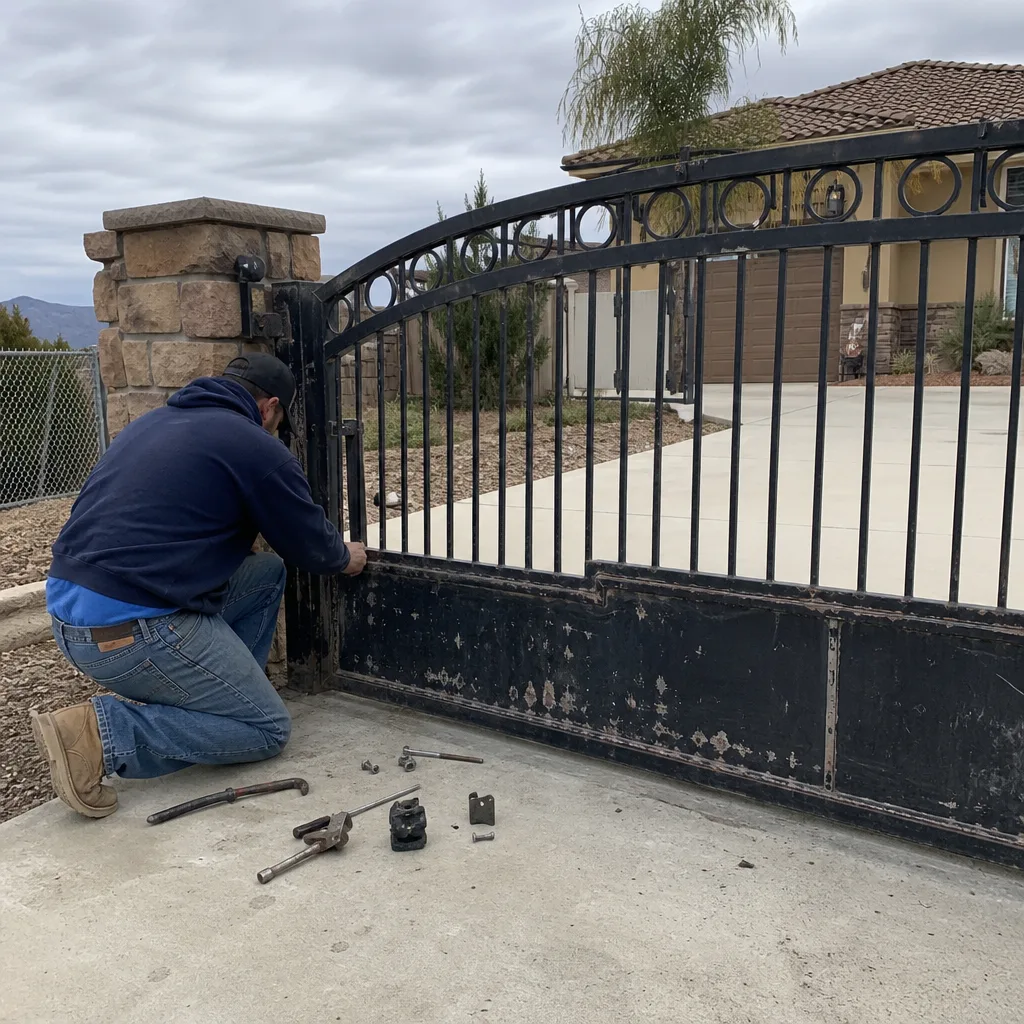 Before
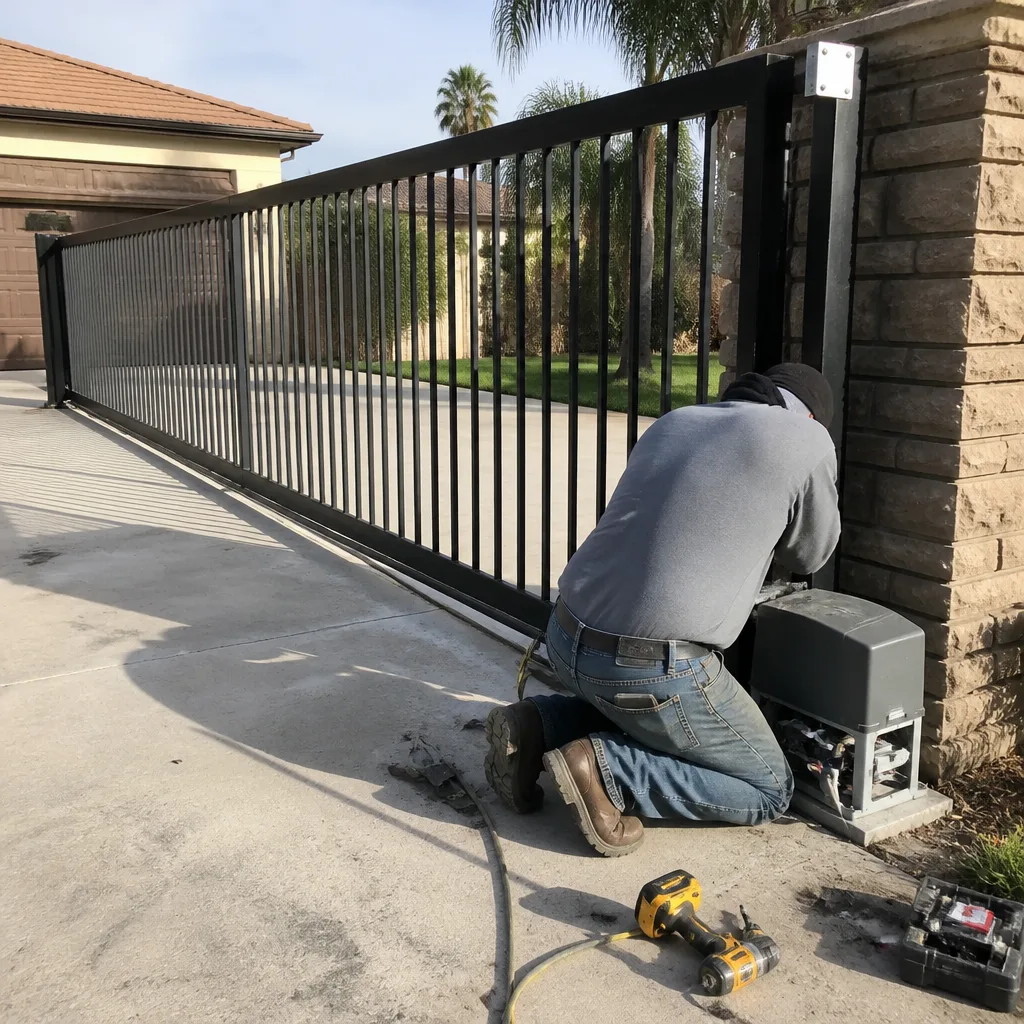 After
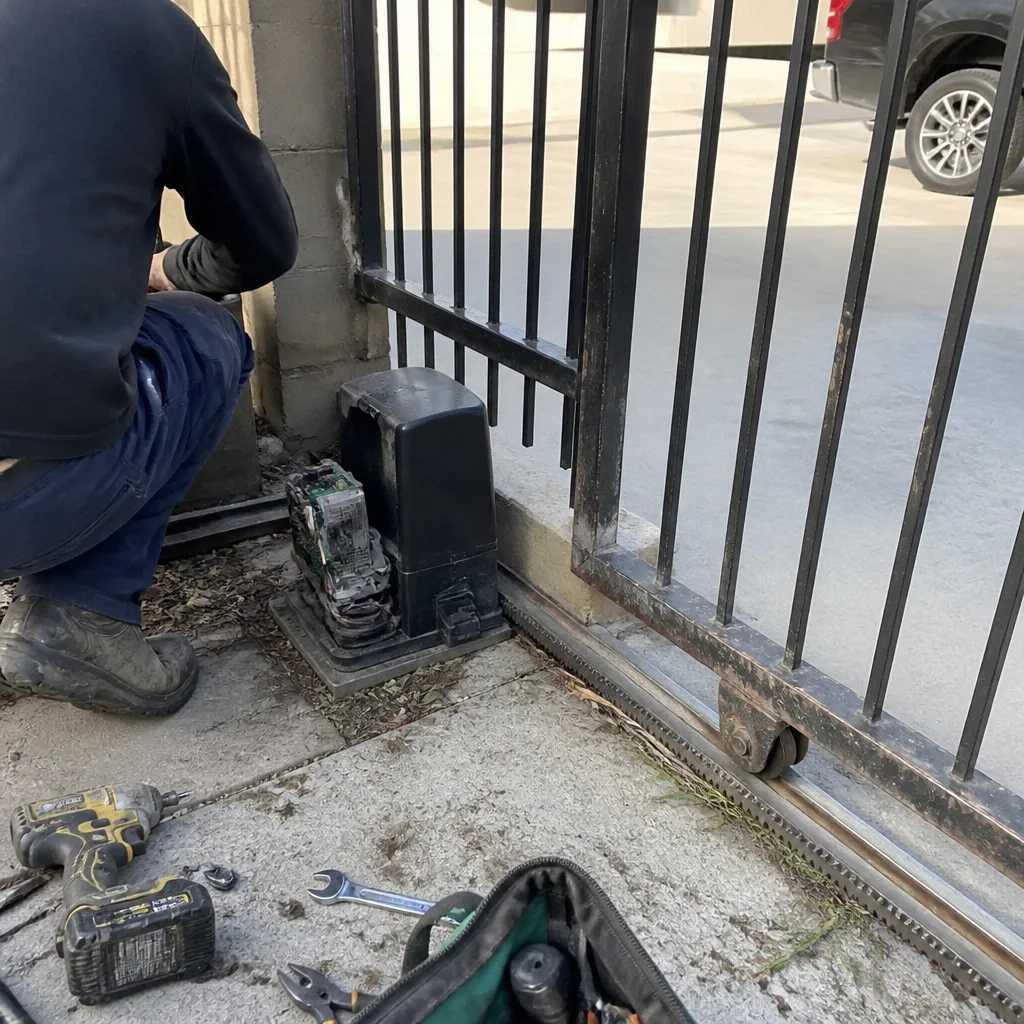 Before
 After
 Before
 After